


Why Children Stop Reading - And What Actually Gets Them to Start Again
Children aren’t stopping reading because they can’t, they’re stopping because reading no longer feels rewarding or achievable. This blog explores why reading behaviour declines after decoding is secured, and what actually drives children to keep reading: confidence, enjoyment, and an experience that makes progress visible, immediate, and worth returning to.
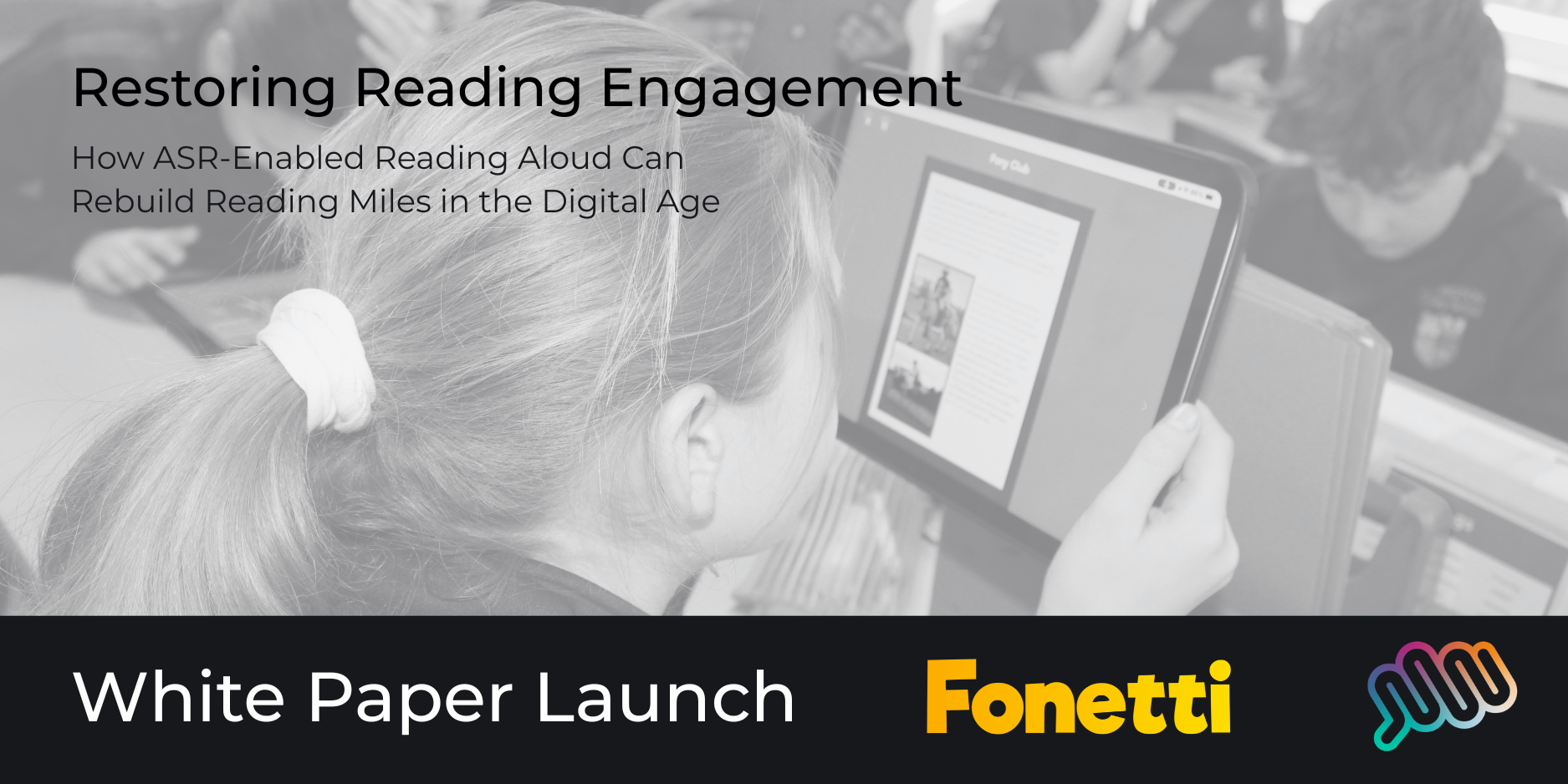
Children Aren’t Failing to Learn to Read - They’re Stopping Reading, New Whitepaper Reveals
Auris Tech’s latest whitepaper shows that reading progress depends on whether children continue reading once they can. With engagement declining, Fonetti addresses this by making reading more interactive, responsive, and rewarding. Through real-time feedback, it builds confidence, increases enjoyment, and supports sustained reading practice needed for long-term development.
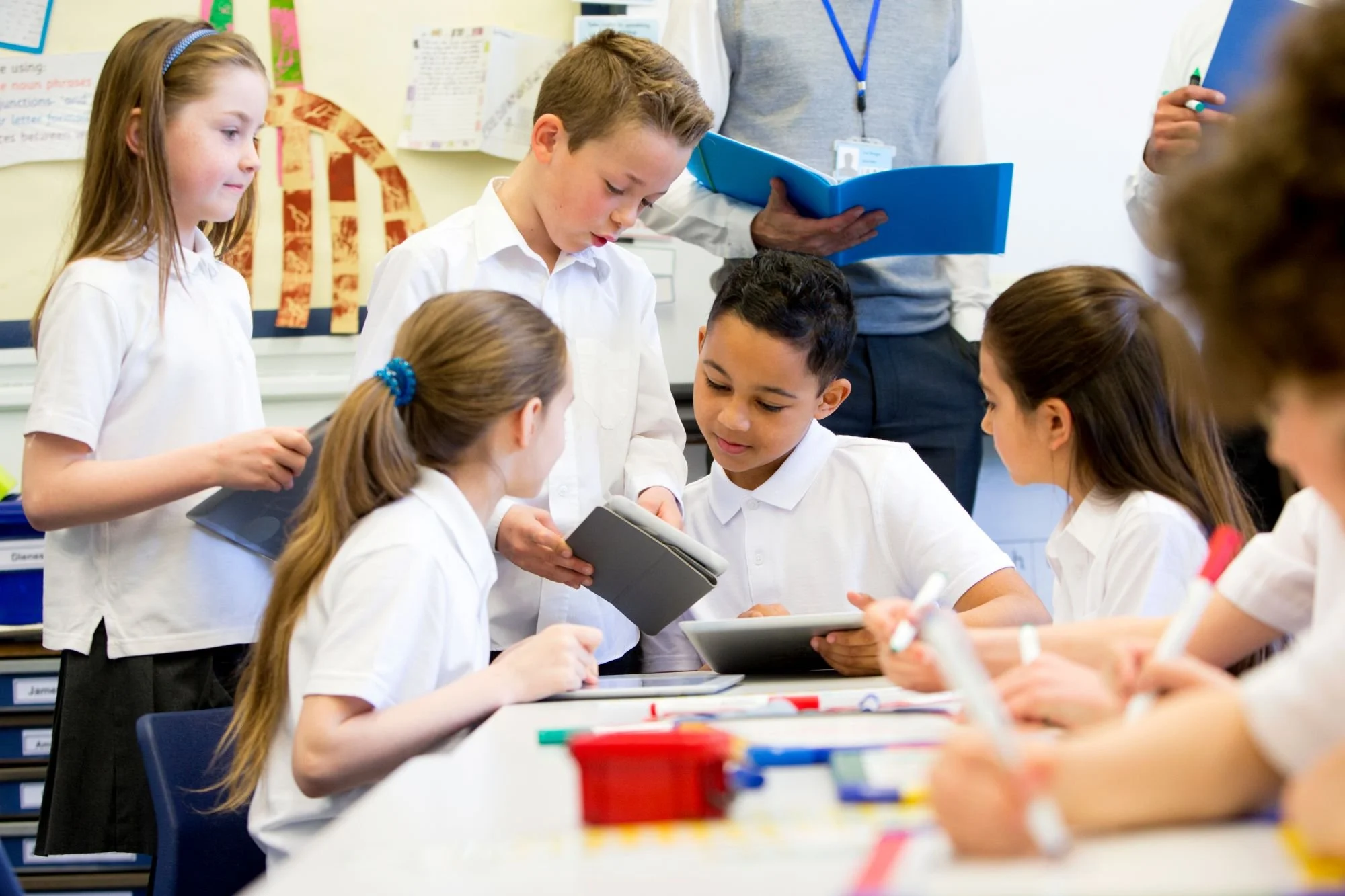
Looking Ahead to the National Year of Reading
2026 has been named the National Year of Reading—an invitation for schools, families and communities to put stories back at the heart of everyday life. At Fonetti, we’re embracing this moment by championing a Year of Reading Aloud, helping children read with more joy, confidence and consistency. By combining the power of storytelling with voice-recognition technology, Fonetti turns reading into a supportive, interactive experience where every child’s voice is heard. Because when children read aloud regularly—even for just a few minutes a day—stories don’t just build skills, they build lifelong readers.

AI and the Individual Learner: Personalisation Without Losing the Human Touch
This blog explores how artificial intelligence is transforming personalised learning in education, spotlighting both opportunities and potential pitfalls. While AI-powered tools like Fonetti’s Read Aloud Challenge offer tailored reading pathways and data-driven insights for children, the article cautions that true education requires more than algorithms. Human connection, empathy, encouragement, and understanding from teachers and parents remains essential. The post advocates for thoughtful EdTech design that enhances rather than replaces adult feedback, ensuring technology serves individual development without sacrificing warmth, wisdom, or inclusivity. Ultimately, it calls for personalisation to foster deeper connection, striking a balance where empowered learners benefit from AI alongside human mentorship.
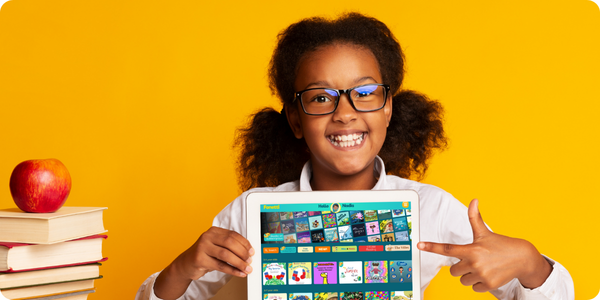
The Science of Reading Aloud: Why It Builds Brains Beyond Literacy
Modern learning blends tradition with technology. As explored in our latest blog, when children combine digital tools like an iPad with classic reading habits, they unlock brain-building benefits that boost memory, confidence, and creativity for life. Discover how reading aloud and hands-on experiences help young learners thrive.


