


Why Children Stop Reading - And What Actually Gets Them to Start Again
Children aren’t stopping reading because they can’t, they’re stopping because reading no longer feels rewarding or achievable. This blog explores why reading behaviour declines after decoding is secured, and what actually drives children to keep reading: confidence, enjoyment, and an experience that makes progress visible, immediate, and worth returning to.
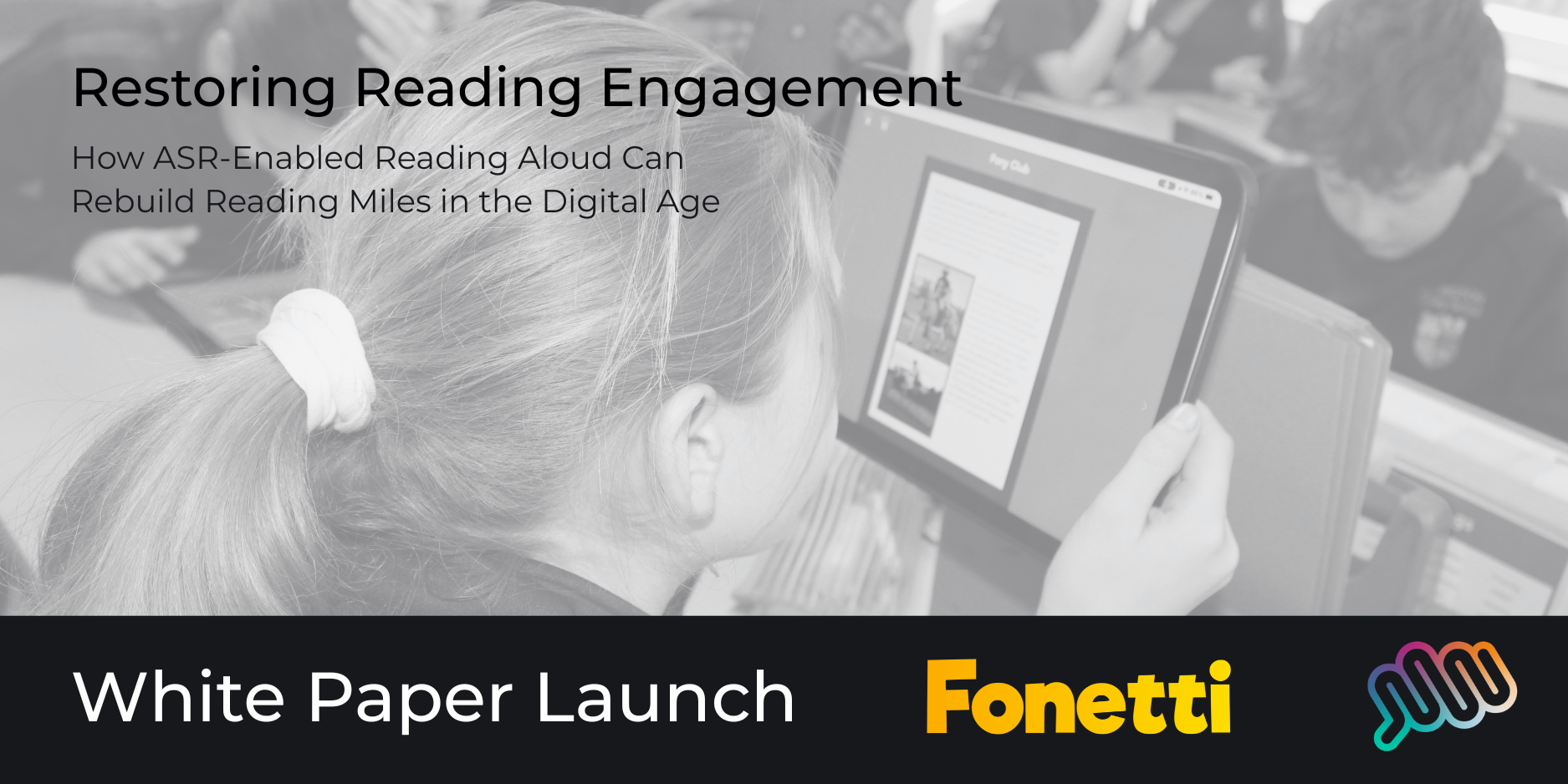
Children Aren’t Failing to Learn to Read - They’re Stopping Reading, New Whitepaper Reveals
Auris Tech’s latest whitepaper shows that reading progress depends on whether children continue reading once they can. With engagement declining, Fonetti addresses this by making reading more interactive, responsive, and rewarding. Through real-time feedback, it builds confidence, increases enjoyment, and supports sustained reading practice needed for long-term development.
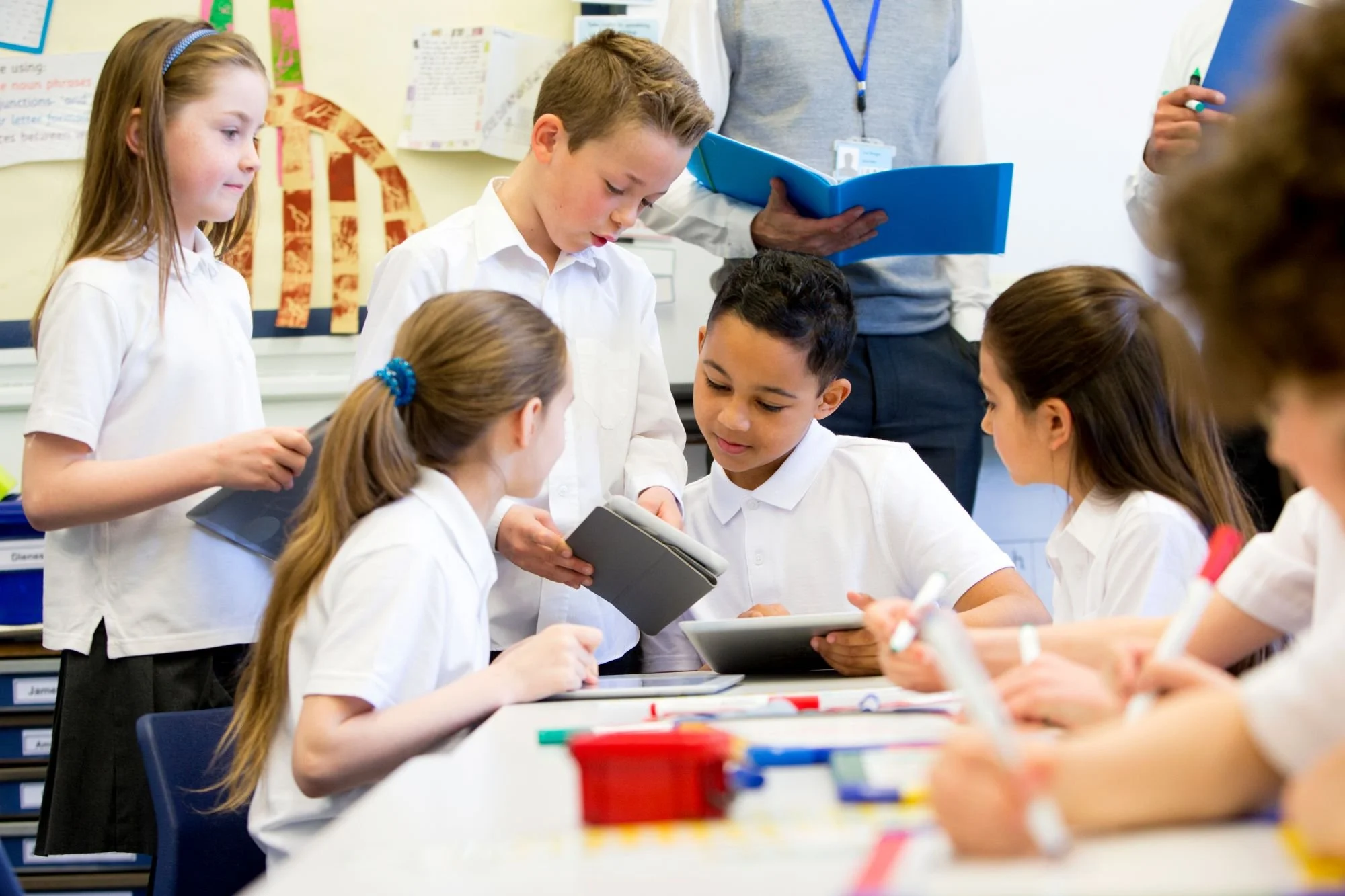
Looking Ahead to the National Year of Reading
2026 has been named the National Year of Reading—an invitation for schools, families and communities to put stories back at the heart of everyday life. At Fonetti, we’re embracing this moment by championing a Year of Reading Aloud, helping children read with more joy, confidence and consistency. By combining the power of storytelling with voice-recognition technology, Fonetti turns reading into a supportive, interactive experience where every child’s voice is heard. Because when children read aloud regularly—even for just a few minutes a day—stories don’t just build skills, they build lifelong readers.
The Future of Storytelling: How Children Will Read in the Future
In classrooms and living rooms, children’s stories are no longer confined to the printed page; they now live across books, screens, speakers and interactive experiences, reshaping what it means to be a reader. As audio, AI and immersive formats grow, the real challenge is not whether storytelling will change, but how to ensure technology helps more children fall in love with stories while still building the deep, active reading skills they need for the future.

Tech in the Early Years: Striking the Balance Between Play, Print and Pixels
Technology in the early years works best when it quietly supports what matters most: play, relationships and a love of stories. Rather than replacing books or imaginative games, well-chosen apps offer short, focused practice and gentle feedback that help children see themselves as capable readers. When these digital moments sit alongside bedtime stories, outdoor adventures and shared reading, they become one more tool for parents and educators to nurture confidence, curiosity and lifelong literacy.

The Confidence Gap: Why Self-Belief Shapes Literacy More Than Skill Alone
Confidence is just as important as skill when it comes to learning to read. Explore how belief in their own abilities helps children enjoy reading. Discover why small wins and internal validation matter, and how support from teachers, parents, and the right technology can nurture their literacy journey.
Universal Design for Learning in Practice
Universal Design for Learning (UDL) is revolutionising how educators approach inclusion, showing that small, intentional changes can create a big impact. By offering multiple ways to present information, enabling learners to demonstrate understanding flexibly, and fostering engagement through choice, UDL helps every student feel seen and supported. Backed by research, these strategies not only remove barriers but also build genuine belonging in classrooms, proving that thoughtful design leads to deeper learning for all.

From Reluctant to Resilient: Why Children Switch Off from Reading
Reading reluctance doesn’t have to be a fixed trait; it’s a phase that can be overcome with understanding and the right support. By recognising and looking out for behaviours or external factors influencing reading or learning, and also creating positive, nurturing experiences, we can help children move from switched off to switched on, resilient readers who approach every story with confidence and curiosity.

AI and the Individual Learner: Personalisation Without Losing the Human Touch
This blog explores how artificial intelligence is transforming personalised learning in education, spotlighting both opportunities and potential pitfalls. While AI-powered tools like Fonetti’s Read Aloud Challenge offer tailored reading pathways and data-driven insights for children, the article cautions that true education requires more than algorithms. Human connection, empathy, encouragement, and understanding from teachers and parents remains essential. The post advocates for thoughtful EdTech design that enhances rather than replaces adult feedback, ensuring technology serves individual development without sacrificing warmth, wisdom, or inclusivity. Ultimately, it calls for personalisation to foster deeper connection, striking a balance where empowered learners benefit from AI alongside human mentorship.
The Science of Reading Aloud: Why It Builds Brains Beyond Literacy
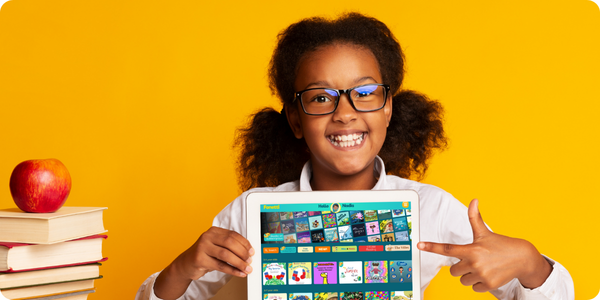
Modern learning blends tradition with technology. As explored in our latest blog, when children combine digital tools like an iPad with classic reading habits, they unlock brain-building benefits that boost memory, confidence, and creativity for life. Discover how reading aloud and hands-on experiences help young learners thrive.


