

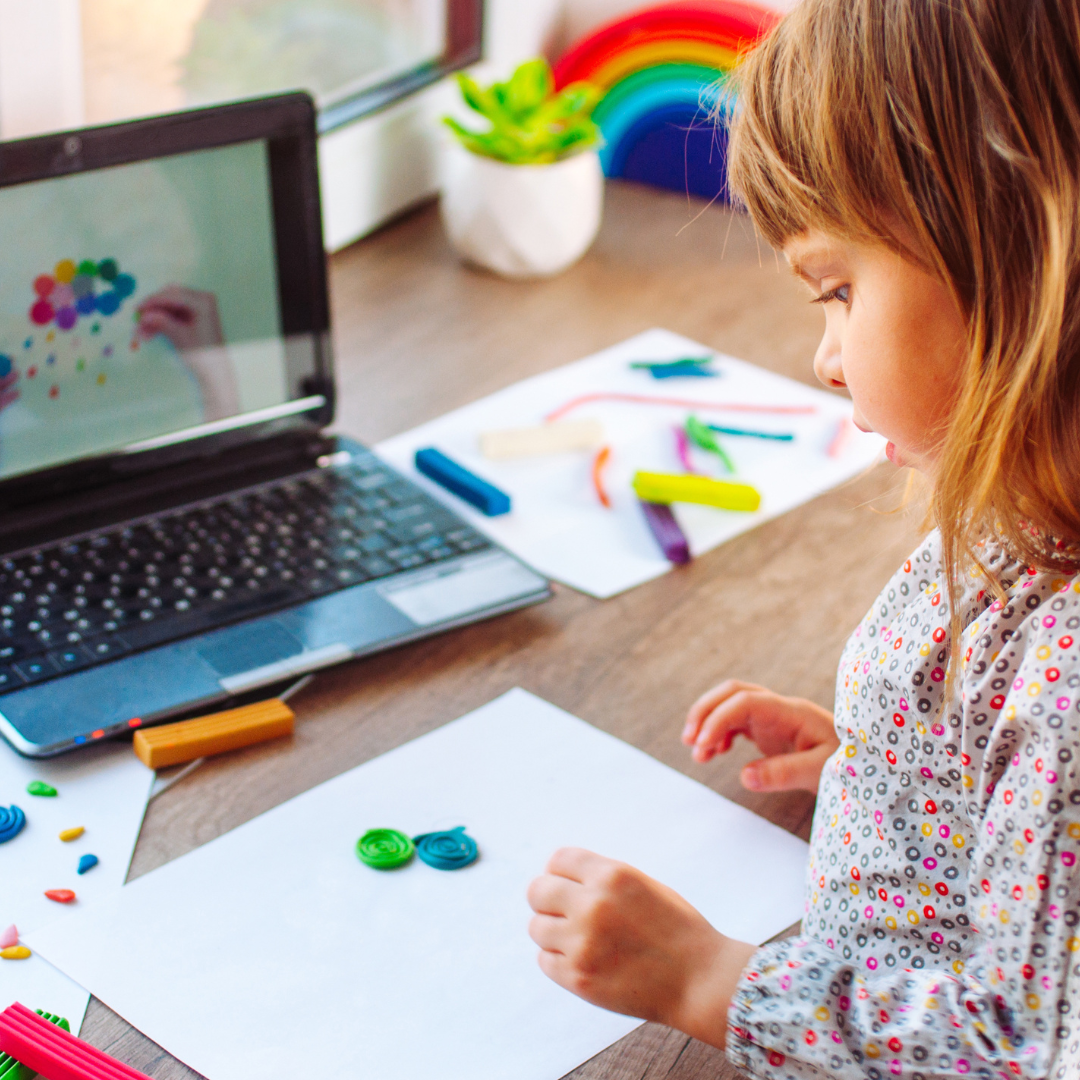
Tech in the Early Years: Striking the Balance Between Play, Print and Pixels
Technology in the early years works best when it quietly supports what matters most: play, relationships and a love of stories. Rather than replacing books or imaginative games, well-chosen apps offer short, focused practice and gentle feedback that help children see themselves as capable readers. When these digital moments sit alongside bedtime stories, outdoor adventures and shared reading, they become one more tool for parents and educators to nurture confidence, curiosity and lifelong literacy.
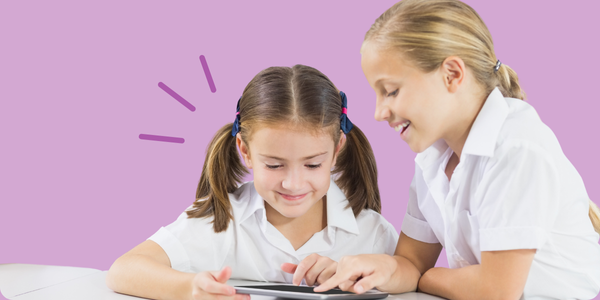
Universal Design for Learning in Practice
Universal Design for Learning (UDL) is revolutionising how educators approach inclusion, showing that small, intentional changes can create a big impact. By offering multiple ways to present information, enabling learners to demonstrate understanding flexibly, and fostering engagement through choice, UDL helps every student feel seen and supported. Backed by research, these strategies not only remove barriers but also build genuine belonging in classrooms, proving that thoughtful design leads to deeper learning for all.

From Reluctant to Resilient: Why Children Switch Off from Reading
Reading reluctance doesn’t have to be a fixed trait; it’s a phase that can be overcome with understanding and the right support. By recognising and looking out for behaviours or external factors influencing reading or learning, and also creating positive, nurturing experiences, we can help children move from switched off to switched on, resilient readers who approach every story with confidence and curiosity.